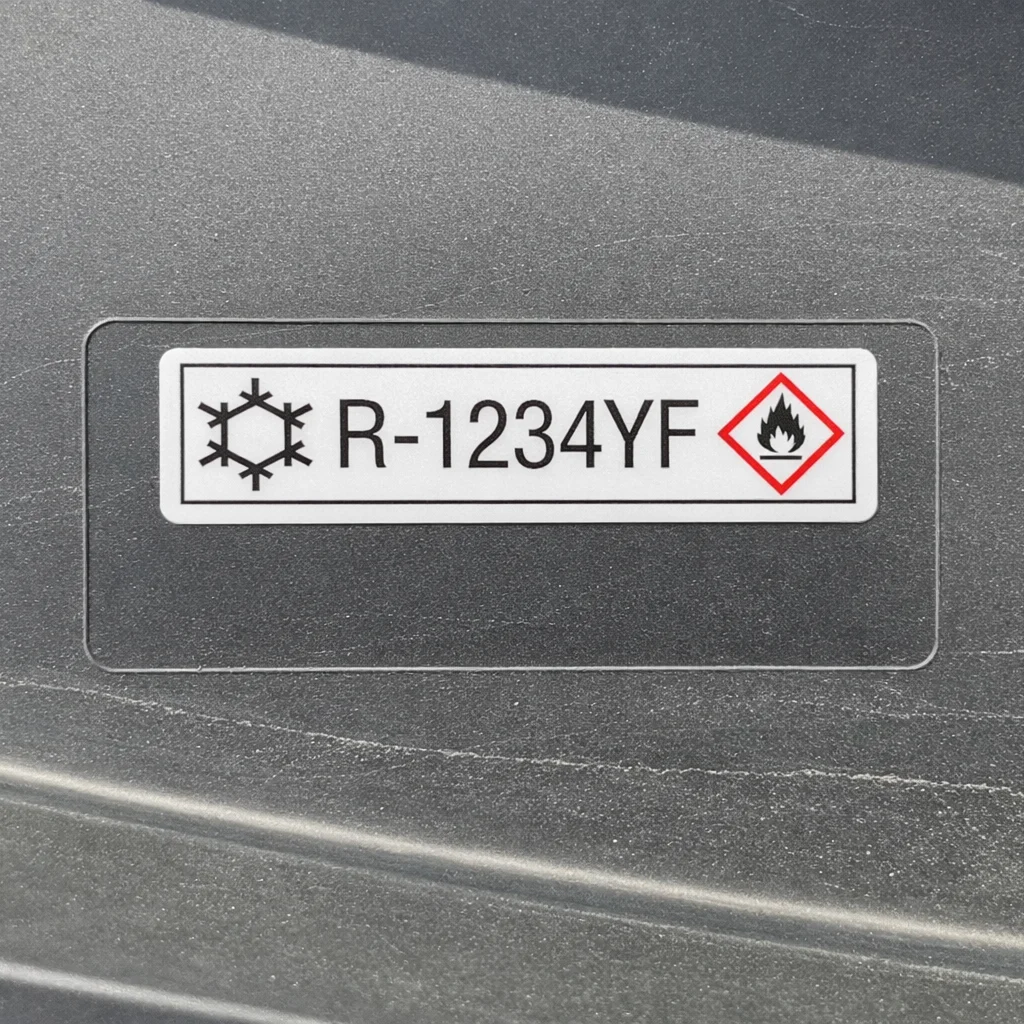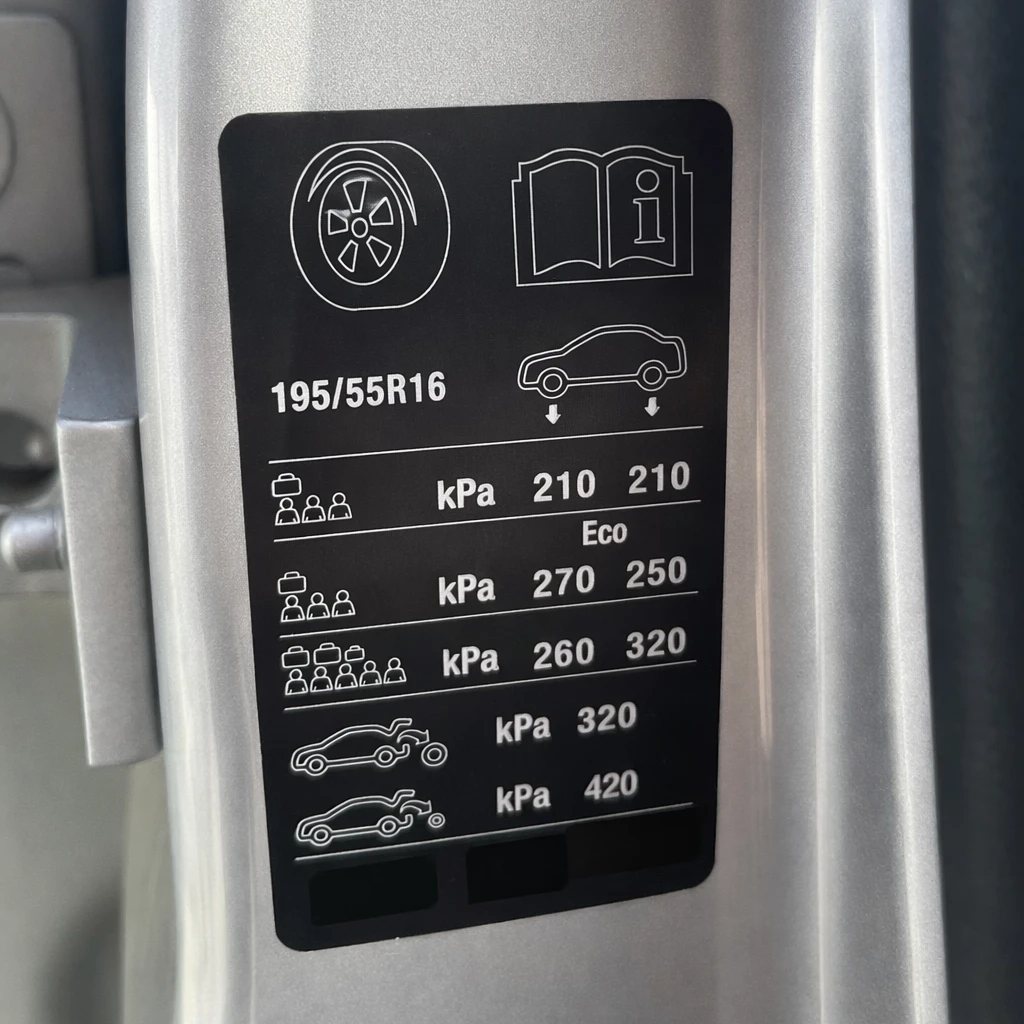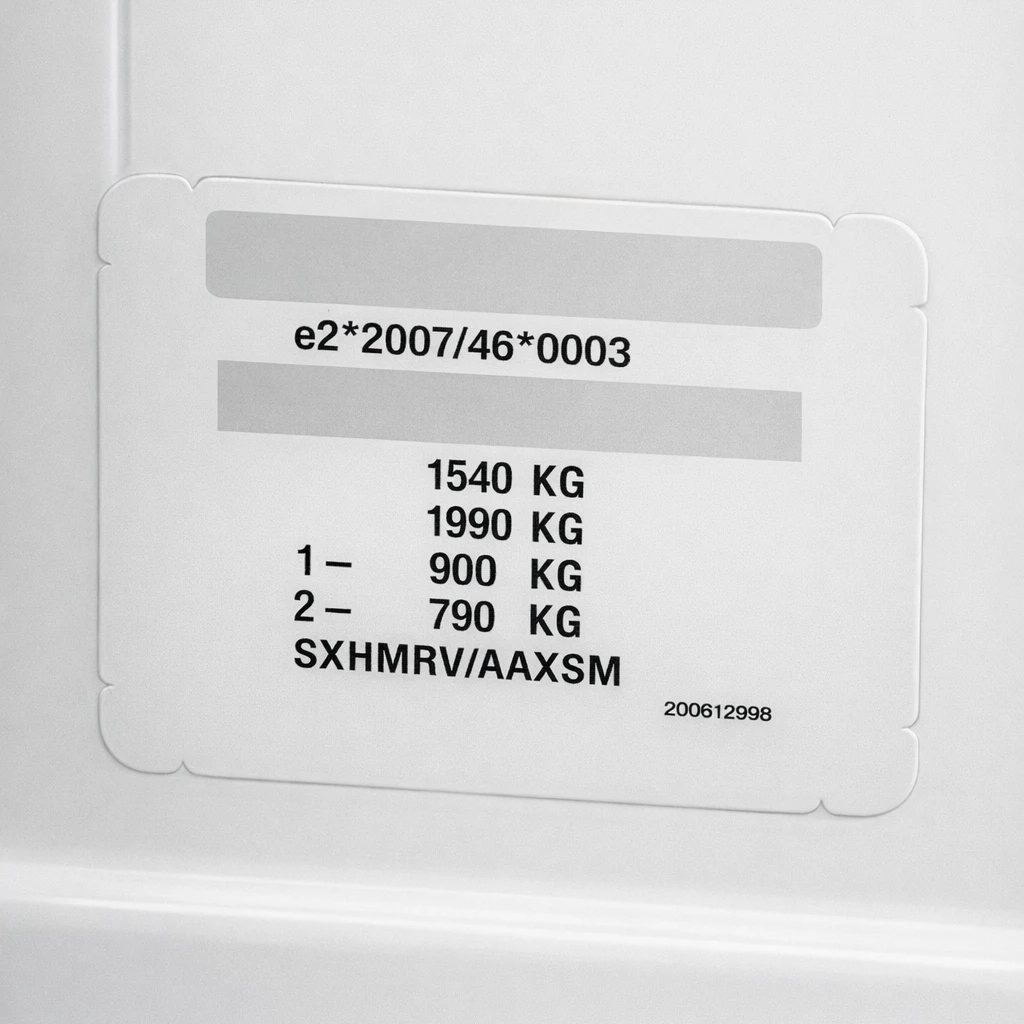

Labelling is critical in the automotive industry: every component, from engines to headlights, requires durable, readable, and wear-resistant traceability. This case study shows how E.U.R.O. srl helped a supplier solve a severe label abrasion problem, improving quality and reducing waste.
Client’s issue
A client, a supplier of plastic components for a well-known car manufacturer, contacted us about a recurring problem:
“A few days after production, some labels become unreadable. Even light rubbing easily erases the print.”
The labels were applied to interior parts of the vehicle made of matte white polypropylene (PP) film, printed with a standard wax-resin ribbon on a high-volume flat-head printer.
Analysis & diagnosis
After reviewing the ribbon, printed labels, and machine settings, the diagnosis was clear:
-
The generic ribbon had poor adhesion to polypropylene and was suitable for paper, not synthetic materials.
-
The printing temperature was too low, preventing optimal ribbon fusion.
-
• A simple manual test showed the print faded in fewer than 10 passes.
Technical solution
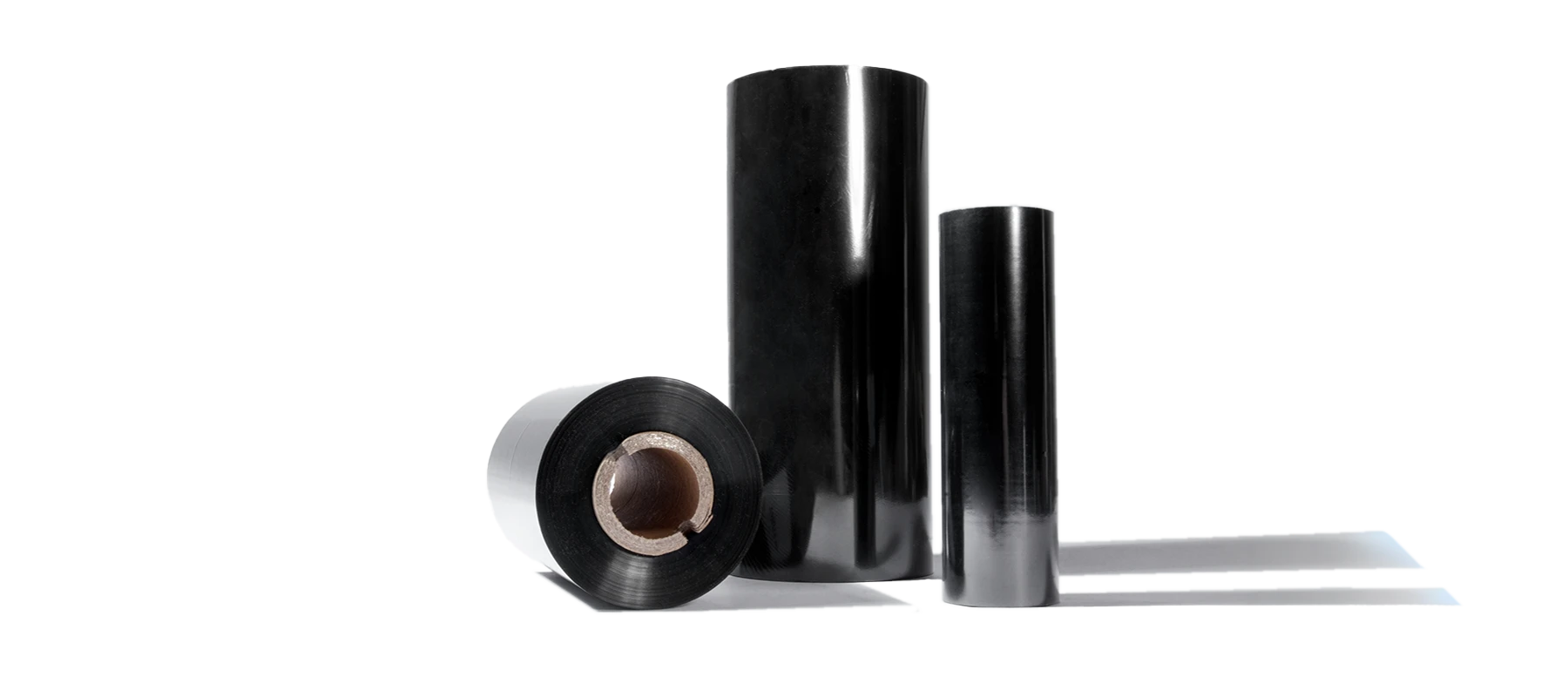
We recommended our premium wax/resin ribbons WR E28 and WR E11AX, formulated for maximum mechanical resistance on PP. We sent the client a free test roll with detailed instructions to optimize printing temperature and speed.
Performance Tests
The client conducted rigorous tests:
-
Mechanical abrasion with the Taber wheel.
-
Rubbing with isopropyl alcohol.
-
Hot/humid environmental testing for 72 hours.
Result: the print remained perfectly legible.
Custom service
The client also needed non-standard rolls. E.U.R.O. srl provided:
-
Custom-cut rolls.
-
Personalized labelling to simplify warehouse management.
-
Timely delivery within 72 hours.
Conclusion
This case demonstrates how E.U.R.O. srl is more than a supplier: it is a true technical partner, listening to client needs, analysing problems, and proposing optimal solutions with expertise, flexibility, and Italian manufacturing excellence.