
Thermal transfer ribbons, like all products in the market, have their own life cycle. Once this period terminates, they can still be used, but their overall quality and performance can be compromised. Not following storage rules can damage them even before their due date, and a damaged ribbon can ruin your labels.
Average ribbon life cycle
When storage rules are correctly followed, ribbons maintain their characteristics and guarantee their best printing results within 12 months. This time span is always indicated in our datasheets.
We would refer to it as a best before rather than a due date, because the ribbon can still be used; however, after one year the printing can present a lower definition or even result less resistant to scratch, solvents and other factors.
Storage rules
These are present in our datasheets too:
-
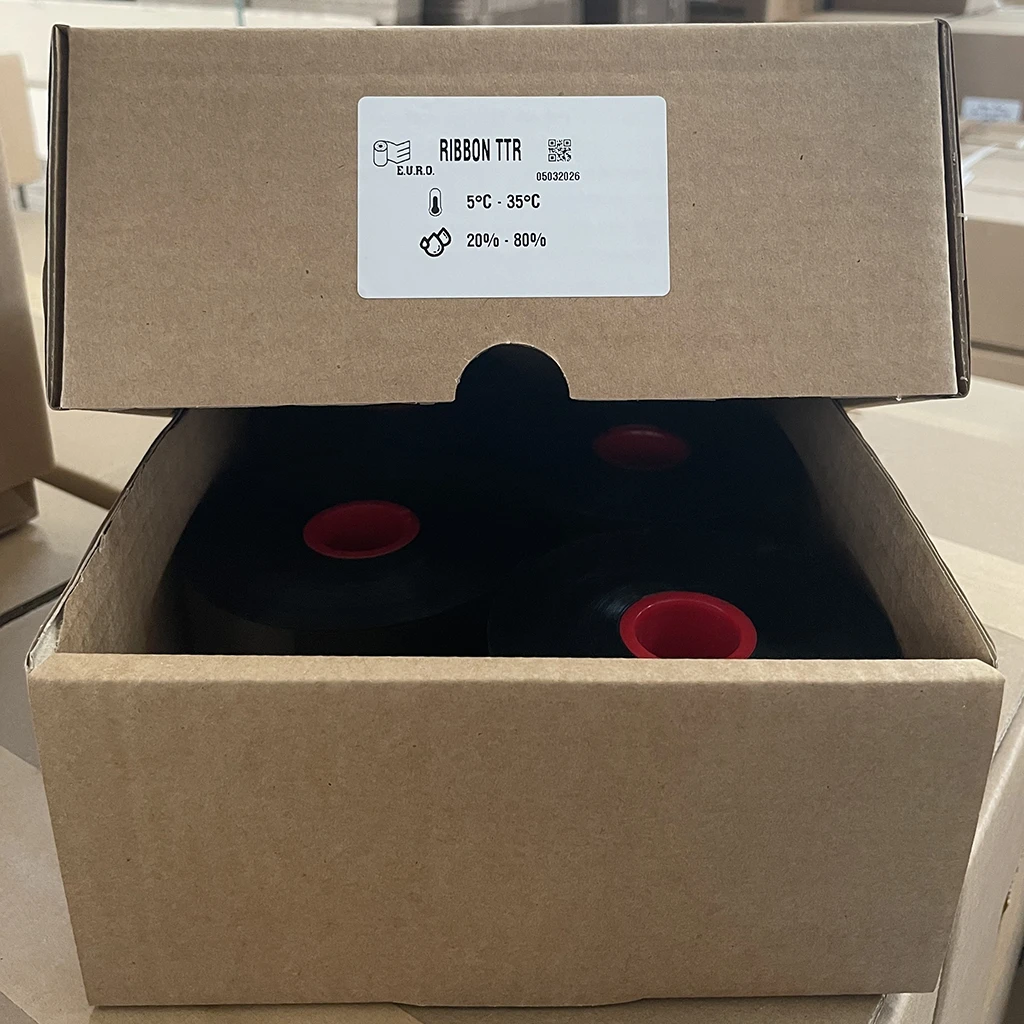
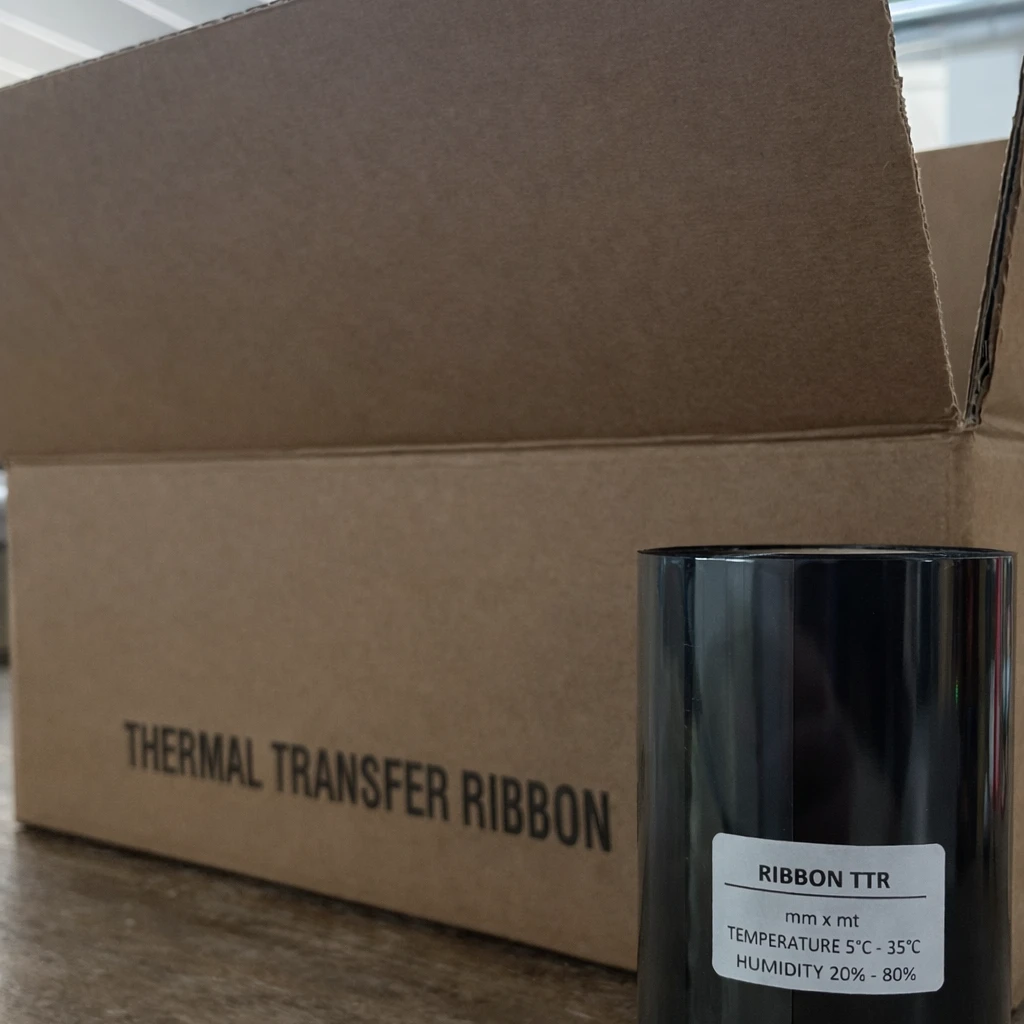
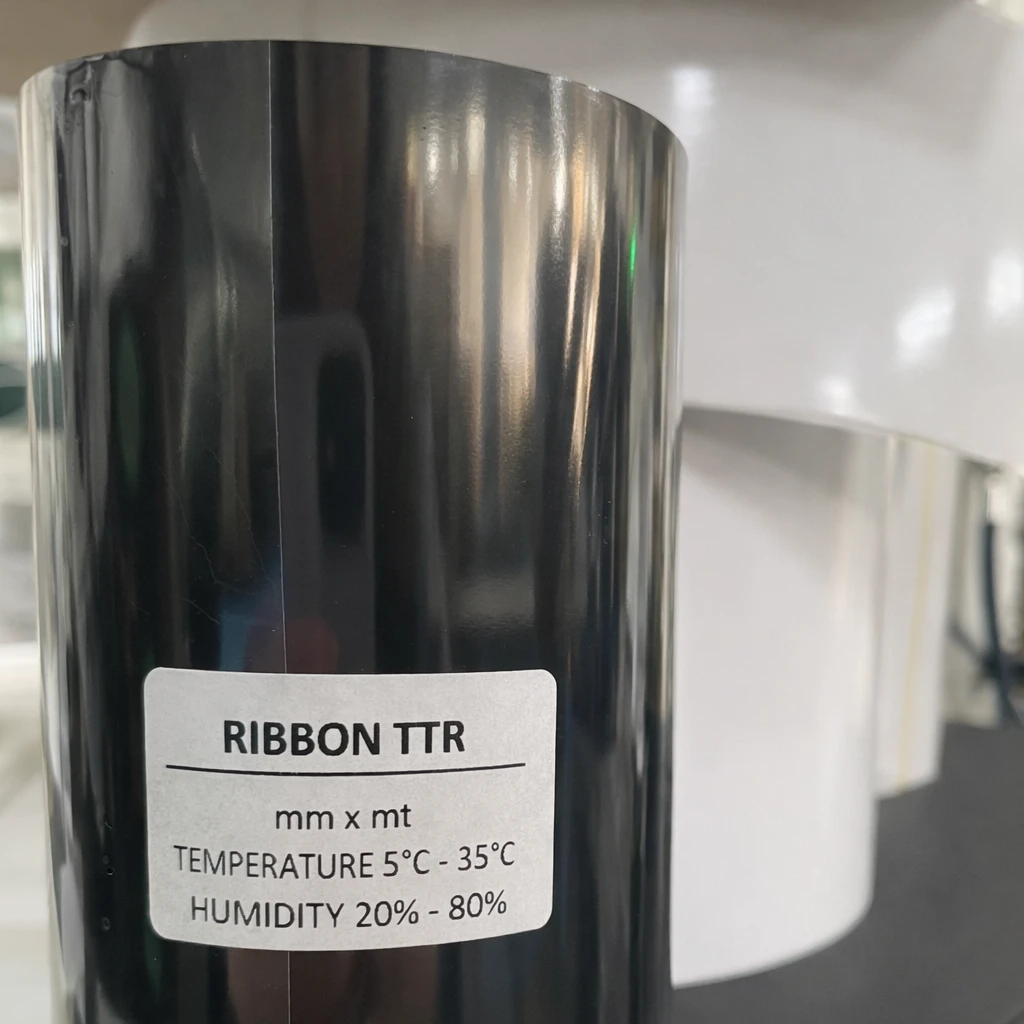
Temperature: ribbons must be stored at a temperature between 5 °C (41° F) and 35 °C (95° F), in order not to compromise their composition.
-
Humidity: maintain the humidity level between 20 % and 80 %. Lack or excess of humidity can severely damage the ribbon.
If the instructions above are correctly followed, E.U.R.O. guarantees a 12-month warranty on its products, and constant support whenever necessary.
Persistent printing problems despite a correct ribbon storage? Read our previous article: “Thermal printing: addressing ribbon issues“.